

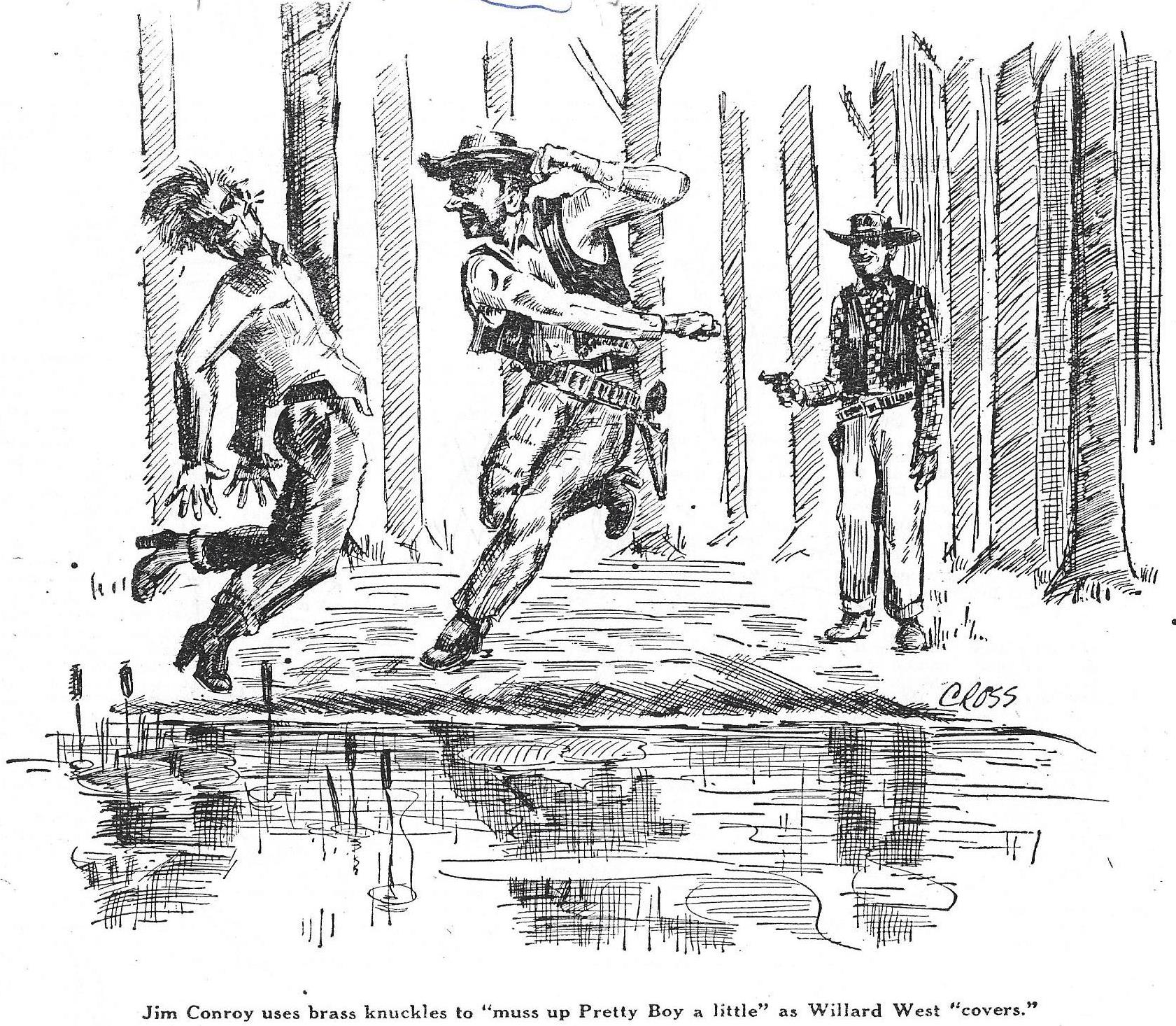
Image from “The 20-year War Along the Little Calumet”, The Gary Post-Tribune, November 13, 1955
In my previous post, I stated that Gary, Indiana was my inspiration for some of my written works. My unpublished manuscript, Striving After Wind, tells the story of Tabitha Ulysses, a former slave woman searching for true freedom in things she can’t have. The story takes place between 1876 and 1883 and I wanted to set it in Gary, Indiana. Except Gary didn’t exist before 1906.
So what was there?
There were small, short-lived villages at the time such as Calumet Heights, Bradford and New Jerusalem. But there were also other towns that, once Gary grew, became neighborhoods of the city. One such town is Tolleston. Inhabited mostly by German immigrants, Tolleston was named for George Tolle, a surgical supply salesman from Detroit. Back in the 1850s, he staked his claim in northwest Indiana with a stone, which became known as “Tolle’s Stone”, hence the name: Tolleston.
Since I live in the Tolleston neighborhood, I figured, why not set the story there? But my main character needed an interesting external conflict. I needed to know more about 19th-century Tolleston so my readers could better connect with the setting.
My search sent me to the Calumet Regional Archives at Indiana University Northwest where the wonderful and knowledgeable Steve McShane helped me discover the Tolleston Gun Club, an exclusive hunting facility notorious for its violent means of dealing with poachers. Hunting magazines such as Field and Stream detailed the conflict between the club and the locals, with an obvious slant toward the club. National newspapers like the New York Times recalled events from the locals’ perspective and even called for the revocation of the club’s charter. One man sued the club for trying to claim his property; his case making it all the way to the Supreme Court.

For years, local farmers would hunt, trap and fish along the marshy Little Calumet River to support their families. Some settlers made their fortune selling the wild game they caught. Then in 1868, wealthy businessmen from Chicago began buying (or taking, depending on who’s telling the story) and restricting access to that land. The Tolleston Gun Club, as it was known, eventually acquired about 5,000 acres. But that didn’t stop the locals. Soon, the gun club members resorted to hiring men with pistols and brass knuckles to keep poachers off their property. Thus the 20-year war along the Little Calumet River began.
The stories I discovered about the war amazed me. Dead bodies full of bullet holes were often found on the marsh. In 1894, a poacher named Albert Looker gunned down two game wardens in a saloon when they tried to arrest him. Though Looker was acquitted of murder, the brothers of one of the slain game wardens wanted revenge. Looker killed one brother in Chicago and another in Texas. Frank Nimitz also went toe-to-toe with the gun club. A persistent poacher, Nimitz had been beaten and arrested by game wardens numerous times. He eventually became the town constable and successfully served warrants on club officers and game wardens. The most publicized event happened on January 19, 1897. Twenty men were involved in a bloody shootout on one of the frozen sloughs near the river. Though no one died, several poachers were wounded. Three game wardens served time behind bars.

Despite the murders and lawsuits, it was the coming of the Gary Works steel mill that signaled the end of the Tolleston Gun Club. Members began selling off the property. By the time the city was founded, the club was no more. Only the clubhouse (left), converted into a private residence, remained until the 1940s.
It was easy to incorporate all that drama into my story. So while I knew my characters and their internal struggles, it was the discovery of this real conflict in my setting that really shaped the story and became the historical backdrop. Learning about the gun club even created a third main character I’d never intended. Had I not done this research, Striving After Wind might have never made it onto the page.
Sources: (I know I formatted these wrong. It’s been 3 years since I wrote a research paper)
“‘Frontier’ Gun Club Fought Sportsmen: Assault, Murder Marked Saga of Early Gun Club”. Gary Post-Tribune, July 6, 1951
Svengalis, K.F. (2006). Gary, Indiana: A Centennial Celebration. Duneland Press: North Stonington, CT.
“Shot By Game Wardens”. New York Times, January 20, 1897


 Michelle McGill-Vargas
Leave a reply to Michelle McGill-Vargas Cancel reply